

Why HD Plasma Cutter Is Essential For Precision And Efficiency In Modern Steel Fabrication
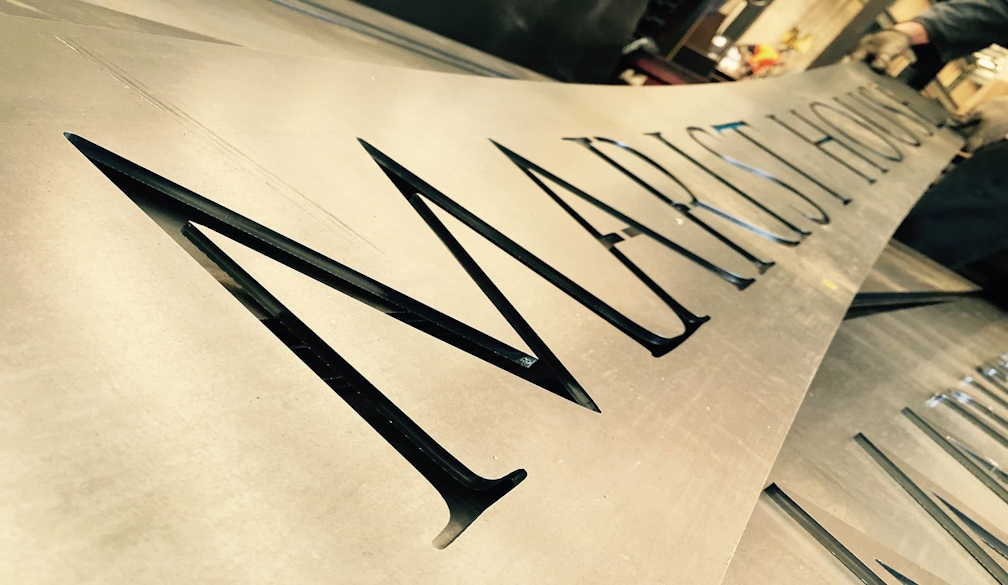
Precision and efficiency are critical requirements in steel fabrication and manufacturing, which is why technologies like the HD plasma cutter and advanced plasma cutting processes have become integral to modern industrial operations. These cutting methods provide accurate, clean, and efficient solutions for shaping metal components, making them widely used across industries such as construction, manufacturing, automotive, and heavy engineering.
High-definition plasma cutting represents an advancement over traditional cutting techniques, offering improved accuracy, reduced material waste, and faster processing times. This makes it an essential technology for businesses that require high-quality results while maintaining operational efficiency.
Understanding The Fundamentals Of Plasma Cutting
Plasma cutting is a process that uses a high-velocity jet of ionised gas, or plasma, to cut through electrically conductive materials such as steel, aluminium, and stainless steel. The process involves passing an electric arc through a gas, converting it into plasma that is capable of melting and removing material with precision.
The HD plasma cutter enhances this process by providing a more focused and controlled plasma arc. This results in cleaner cuts, tighter tolerances, and improved edge quality, making it suitable for applications that require high precision.
Applications Across Industrial Sectors
Plasma cutting is widely used in industries that require precise metal fabrication. In construction, it is used to cut structural components such as beams and plates. In manufacturing, it supports the production of machinery parts and equipment.
In the automotive industry, plasma cutting is used to create components that require accuracy and consistency. Heavy industries such as mining and shipbuilding also rely on this technology for processing thick and durable materials. Its versatility makes it a key tool in modern fabrication.
Advantages Of High-Definition Plasma Cutting
One of the primary advantages of HD plasma cutting is its ability to produce clean and accurate cuts with minimal distortion. The focused arc reduces the heat-affected zone, preserving the integrity of the material.
This precision reduces the need for additional finishing processes, saving time and resources. The ability to achieve high-quality results in a single step makes HD plasma cutting highly efficient.
Speed And Efficiency In Production
Plasma cutting is known for its speed, allowing manufacturers to process materials quickly without compromising quality. This is particularly important in high-volume production environments where efficiency is critical.
The combination of speed and accuracy enables businesses to meet tight deadlines while maintaining consistent output. This contributes to improved productivity and reduced operational costs.
Versatility In Material And Thickness
One of the key strengths of plasma cutting is its ability to handle a wide range of materials and thicknesses. From thin sheets to thick plates, the process can be adapted to suit different requirements.
This versatility allows manufacturers to use plasma cutting for various applications without needing multiple cutting systems. It simplifies operations and enhances flexibility.
Cost Efficiency And Material Utilisation
High-definition plasma cutting contributes to cost efficiency by reducing material waste and minimising the need for rework. Precise cuts ensure that materials are used effectively, reducing excess scrap.
The efficiency of the process also lowers labour and operational costs, making it a practical choice for businesses looking to optimise their production processes.
Integration With Advanced Manufacturing Systems
Modern plasma cutting systems can be integrated with computer numerical control (CNC) technology, allowing for automated and highly accurate cutting processes. This integration enhances precision and repeatability.
Automation also reduces the need for manual intervention, improving safety and efficiency. This makes plasma cutting a key component of advanced manufacturing systems.
Maintenance And Operational Considerations
Regular maintenance is essential for ensuring the performance of plasma cutting equipment. This includes checking consumables such as electrodes and nozzles, as well as ensuring proper calibration.
Proper maintenance helps maintain cutting quality and extends the lifespan of the equipment. This ensures consistent performance and reduces downtime.
Safety And Environmental Considerations
Safety is an important aspect of plasma cutting operations. Proper ventilation, protective equipment, and adherence to safety protocols help minimise risks associated with high temperatures and electrical systems.
Environmental considerations also play a role, as efficient cutting processes reduce waste and energy consumption. This supports sustainable manufacturing practices.
Conclusion
HD plasma cutting is an essential technology for modern steel fabrication, offering precision, efficiency, and versatility across a wide range of applications. By providing clean cuts, reducing material waste, and supporting high-speed production, it enables businesses to maintain high standards while optimising costs. With proper integration and maintenance, plasma cutting continues to be a valuable tool in industrial manufacturing and engineering.