

Understanding The Role Of Shotcrete In Modern Concrete Construction
- Written by Insiders
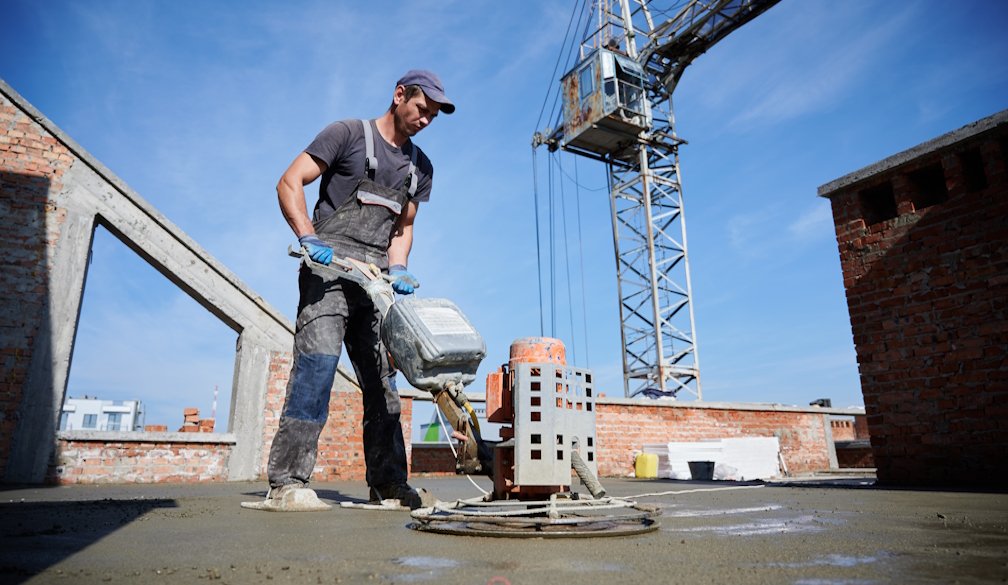
Concrete technology has evolved significantly over the years, allowing builders and engineers to complete complex construction projects more efficiently. One technique that has become widely used in structural construction is shotcrete concrete. This method involves spraying concrete at high velocity onto surfaces, allowing it to adhere quickly and form strong structural layers.
In large scale construction projects, the expertise of a skilled shotcrete operator is essential to ensure that the concrete is applied correctly and achieves the required structural strength. Proper application ensures the durability and stability of structures ranging from tunnels and retaining walls to swimming pools and underground infrastructure.
What Is Shotcrete And How It Works
Shotcrete is a method of applying concrete or mortar through a high pressure hose onto surfaces. The mixture is sprayed at high velocity, which allows it to compact immediately upon impact with the surface.
This process creates a dense and durable concrete layer that bonds strongly with the underlying structure. Because the concrete is sprayed rather than poured, it can easily conform to irregular shapes and vertical surfaces.
There are two primary methods of shotcrete application. The dry mix method involves adding water at the nozzle during spraying, while the wet mix method uses pre mixed concrete that is pumped through the hose.
Both methods are widely used depending on the requirements of the construction project.
Advantages Of Using Shotcrete In Construction
One of the main advantages of shotcrete is its ability to be applied to complex shapes and surfaces. Traditional poured concrete often requires formwork to shape the structure, but shotcrete can be sprayed directly onto surfaces without extensive moulds.
This flexibility allows builders to create curved structures, sloped surfaces, and vertical walls with ease. Because the material adheres instantly, it reduces the need for temporary support structures during construction.
Shotcrete also offers excellent structural strength. The high velocity application compacts the concrete mixture, resulting in a dense and durable finished surface.
These advantages make shotcrete a preferred method for many modern construction projects.
Applications In Infrastructure And Engineering
Shotcrete is commonly used in large infrastructure projects where strength and adaptability are required. Tunnels are one of the most common applications, where shotcrete is sprayed onto excavation surfaces to stabilise the surrounding soil and rock.
Retaining walls also benefit from shotcrete technology. The sprayed concrete provides structural support that helps prevent soil movement and erosion.
In addition, shotcrete is used in mining operations to reinforce underground structures and maintain safety in excavation areas.
The ability to apply concrete quickly and efficiently makes shotcrete a valuable solution for many engineering challenges.
Importance Of Skilled Shotcrete Operators
The success of a shotcrete project depends heavily on the skill of the operator applying the material. Shotcrete operators must carefully control the nozzle to ensure the concrete is distributed evenly and adheres properly to the surface.
Improper application can lead to weak spots or uneven layers that affect the strength of the structure. Experienced operators understand how to adjust pressure, distance, and spraying angles to achieve optimal results.
Their expertise ensures that the finished structure meets engineering specifications and safety standards.
Durability And Structural Strength
Shotcrete structures are known for their durability and resistance to environmental stress. The dense composition of sprayed concrete provides excellent resistance to cracking and weather exposure.
Because shotcrete bonds strongly with reinforcement materials such as steel mesh or rebar, it creates a reinforced concrete structure capable of supporting heavy loads.
This strength makes shotcrete suitable for applications where structural reliability is essential.
Efficiency In Construction Projects
Another benefit of shotcrete is its efficiency in construction timelines. Because the material is sprayed directly onto surfaces, construction teams can complete tasks faster compared to traditional concrete methods.
Reduced formwork requirements and faster application help streamline construction schedules. This efficiency can significantly reduce labour costs and project completion times.
For large infrastructure or industrial projects, these time savings are particularly valuable.
Conclusion
Shotcrete concrete has become an essential technique in modern construction due to its versatility, strength, and efficiency. By allowing concrete to be applied directly onto complex surfaces, shotcrete enables builders to create durable structures in a wide range of applications. With the expertise of skilled shotcrete operators, this construction method continues to support major infrastructure and engineering projects around the world.