

Brisbane's Plan to ‘Tall Over Sprawl’ Prompts Controversy
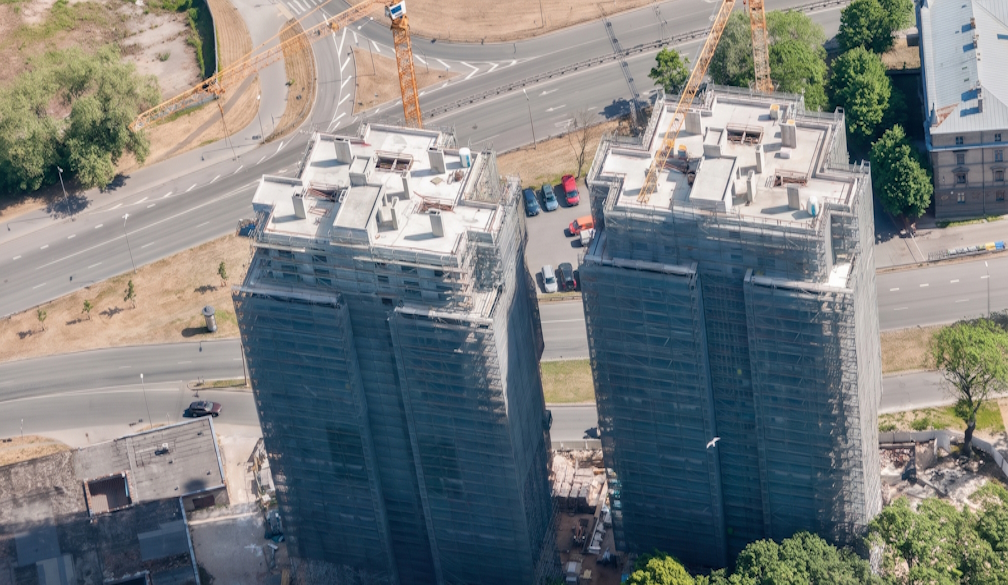
Brisbane’s suburban skyline is changing as the city tackles housing shortages, population growth and mounting pressure to accommodate surging resident numbers.
Brisbane City Council’s suburban renewal program is reshaping planning across suburbs including Wynnum, Sandgate, Chermside, Upper Mount Gravatt, Cannon Hill and Alderley, encouraging more housing around established transport and commercial centres.
The strategy represents a shift away from the traditional low-density development that has always personified Brisbane’s landscape, towards apartments, townhouses and mixed-use precincts.
Growing up, not out
Council’s More Homes in the Right Places initiative sets out a target of over 200,000 additional new homes by 2046, highlighting the massive scale of Brisbane’s housing challenge.
The approach aims to limit urban sprawl, protect green spaces, and provide housing for smaller households near existing services. This required complex planning in a region where 73% is zoned for no more than two stories.
However, increasing density isn’t all good news – it raises important questions about infrastructure capacity, neighbourhood character and liveability that existing residents are keen to have considered.
Increasing resident numbers are already causing greater pressure on roads, parking, public transport, schools and hospitals. And it’s not just the things we can see that are an issue. Existing stormwater, sewerage and water infrastructure can also feel the strain and planning needs to ensure it can support growth.
A new challenge for Brisbane’s workforce
Beyond the lifestyle and infrastructure pressures development brings, Brisbane faces another challenge: maintaining its expanding stock of multi-storey buildings.
High-rise developments require ongoing specialist services, including high rise maintenance specialists experienced in rope access, heating and cooling, ventilation (HVAC), fire safety systems, waterproofing and drainage.
Rope access technicians also play an important role in safely constructing, inspecting, repairing and maintaining difficult-to-reach building exteriors.
The Olympics come to town
Meanwhile, preparations for the Brisbane 2032 Olympic and Paralympic Games are adding to Queensland’s construction workforce demands.
The Queensland Government’s Right Skills Strategy recognises the importance of developing skilled workers to deliver both housing and Games infrastructure. This creates opportunities for specialist trades, training providers and building maintenance businesses, although it’s also likely to attract more new residents, adding to the overall housing pressure.
As Brisbane builds upwards, the challenge extends beyond delivering new apartments.
The city must also invest in the infrastructure, a skilled workforce and the ongoing maintenance capabilities needed to keep its growing communities thriving.
The proper roadmap and strong collaboration between stakeholders will be crucial in shepherding the city through the pressures of the next decade and beyond.